

Adults Self Assessment
Reflect on emotional, behavioural and psychological concerns. This screening is not a diagnosis; discuss persistent concerns with a qualified professional.

Child Assessment
A parent or caregiver questionnaire can help identify concerns that may warrant a professional child assessment. Online screening alone cannot diagnose a condition.

Post Partum Depression
Explore symptoms that may occur after childbirth. Screening can indicate when professional support may be helpful but does not establish a diagnosis.

Relationship Assessment
Reflect on relationship concerns and communication patterns. Results are for personal reflection, not a diagnosis of an individual or relationship.

Stress Assessment
Explore how work-related stress may be affecting your wellbeing. Consider professional support if difficulties persist or worsen.

ADHD Assessment
Reflect on attention, activity and impulsivity concerns. ADHD diagnosis requires a comprehensive assessment; a questionnaire alone is not sufficient.

Bipolar Assessment
Screen for experiences that may merit a mental health evaluation. Bipolar disorder cannot be diagnosed from a self-report questionnaire alone.

PTSD Test
Explore trauma-related symptoms. A screening score is not a PTSD diagnosis and should be interpreted in context.

Psychosis and schizophrenia test
If you notice unusual perceptions or changes in thinking, a qualified professional can assess what they mean. A self-test cannot diagnose psychosis or schizophrenia.

Addiction Test
Reflect on substance use patterns and possible harms. A questionnaire does not replace a comprehensive professional evaluation.

Child’s Mental Health Test
Parents and caregivers can review a child's emotional and behavioural concerns. Follow the questionnaire's instructions and seek professional assessment when needed.
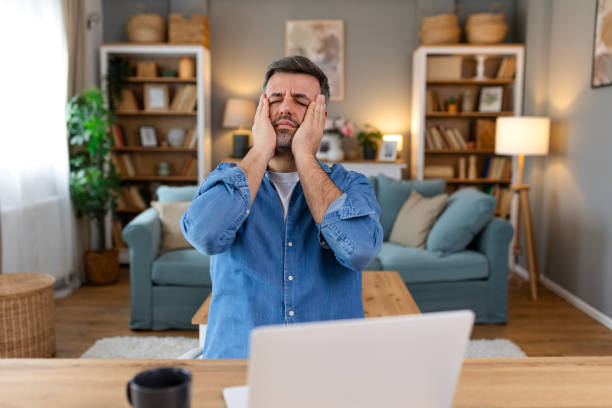
Depression Test
Explore low mood and other depression-related symptoms. Screening is not diagnosis; seek professional support for persistent difficulties.

Anxiety Test
Reflect on worry and anxiety symptoms. A self-assessment can guide next steps but cannot independently diagnose an anxiety disorder.

Youth Mental Health Test
Explore emotional wellbeing concerns among young people. Follow the intended age guidance and seek qualified support when appropriate.