

Emotional Regulation During Relationship Development
- January 31, 2026
- 0 Likes
- 2167 Views
- 0 Comments
Emotional regulation during relationship development is about managing your feelings in ways that foster trust, safety, and healthy connection as the bond grows.
In the early and middle stages of a relationship, emotions often run high—excitement, anxiety, vulnerability, jealousy, hope—so regulating them is crucial for stability and intimacy.
Here’s a detailed breakdown:
-
Understanding Your Emotional Triggers
- Identify situations or behaviors that easily spark intense emotions (e.g., delayed replies, disagreements, feeling excluded).
- Reflect on whether your reaction is about the current moment or past experiences.

-
Practicing Self-Awareness in Real Time
- Notice physiological cues (racing heart, tense muscles) before reacting impulsively.
- Pause and name the emotion (“I feel anxious because I’m worried about losing them”).
This naming process engages the rational brain and reduces emotional flooding.

-
Responding Instead of Reacting
- Take a brief break from a heated conversation to let emotions settle.
- Use “I” statements instead of blame: “I feel hurt when plans change last minute” instead of “You never keep plans.”
- Delay sensitive discussions until both are calm.

-
Balancing Vulnerability and Boundaries
- Share feelings gradually rather than dumping them all at once.
- Be open enough to build trust, but maintain self-respect by stating needs clearly.
- Avoid emotional over-dependence in the early stages.

-
Regulating Jealousy and Insecurity
- Challenge unhelpful thoughts with evidence: “They didn’t text because they’re busy, not because they’ve lost interest.”
- Strengthen your self-esteem outside the relationship—friends, hobbies, personal goals.

-
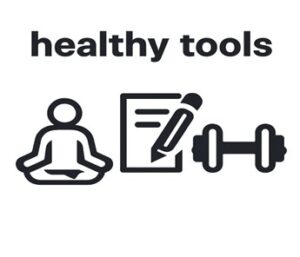
Using Healthy Coping Tools
- Mindfulness or grounding exercises during emotional surges.
- Journaling to process emotions before talking to your partner.
- Physical activity to reduce stress hormones.
-
Co-Regulation with Your Partner
- Let your partner know how they can help when you’re upset (“I need a few minutes to breathe, then we can talk”).
- Engage in calming shared activities—walking together, listening to music, light humor.

-
Repairing Emotional Ruptures
- When you mismanage emotions, own it: “I overreacted because I felt scared. I’m sorry.”
- Show you can self-correct, which builds your partner’s confidence in your emotional maturity.

Why It Matters in Relationship Development:
- Prevents small conflicts from escalating.
- Builds a secure base for vulnerability and deeper intimacy.
- Signals emotional maturity—an attractive trait that encourages mutual respect.
