
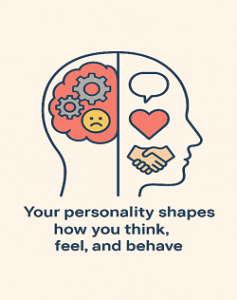
Your personality reflects the consistent patterns of how you think, feel, and behave when interacting with the world. It shapes the way you handle emotions, make decisions, and connect with others. People might describe you as “calm,” “talkative,” or “reserved”—these are impressions of your personality based on your typical behaviors and reactions.
Personality influences both your thoughts and actions. Some individuals are responsible and organized, always meeting deadlines and staying prepared, while others are spontaneous and flexible, preferring to “go with the flow.” Each approach has its strengths and challenges—structured people may feel pressured by rigidity, whereas spontaneous individuals might overlook responsibilities.
Your personality also affects your social life. Some people are argumentative or stubborn, which can make relationships tense. Others are empathetic, patient, and supportive, naturally drawing people toward them. Understanding your own personality can help you recognize how you contribute to your relationships—whether you’re quick to open up or prefer to observe quietly before engaging.
Personality Types:
Personality types categorize people based on shared behavioral patterns. Two well-known frameworks are the Type A–D Model and the Myers-Briggs Type Indicator (MBTI).
Type A–D Personality Model:
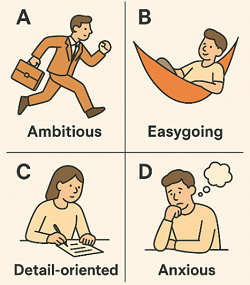
Type A: Driven, competitive, and perfectionistic; may struggle with stress or impatience.
Type B: Relaxed, easygoing, and adaptable; may lack urgency or ambition.
Type C: Detail-oriented, dependable, but tends to suppress emotions.
Type D: Prone to worry, negativity, and social withdrawal.
Myers-Briggs Personality Types (MBTI):
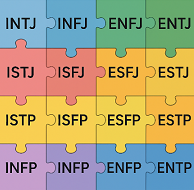
The MBTI categorizes personalities based on four dimensions:
Introversion (I) or Extraversion (E) – How you gain energy.
Sensing (S) or Intuition (N) – How you process information.
Thinking (T) or Feeling (F) – How you make decisions.
Judging (J) or Perceiving (P) – How you approach life and structure.
For example:
ENFJ: Outgoing, empathetic, and organized, thrives on teamwork.
ISTP: Quiet, analytical, and practical, enjoys independence and flexibility.
Personality Traits: The Big Five Model:
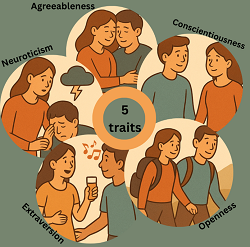
Many psychologists prefer to study personality in terms of traits rather than fixed types. The Five-Factor Model (Big Five) defines five core dimensions that shape every individual:
- Openness to Experience: Imaginative and curious people score high; those who prefer tradition score lower.
- Conscientiousness: Reflects self-discipline, organization, and reliability.
- Extraversion: Involves sociability, assertiveness, and enthusiasm.
- Agreeableness: Indicates kindness, trust, and cooperation versus competitiveness or skepticism.
- Neuroticism: Measures emotional stability—people high in neuroticism often feel anxious or moody.
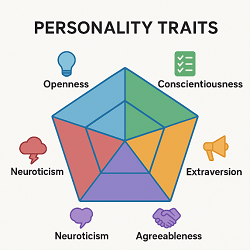
Each trait exists on a spectrum—you’re not one or the other, but somewhere in between.
How Personality Develops:
Personality forms through a combination of genetics, environment, and experiences.
- Attachment theory suggests that early bonding experiences with caregivers influence confidence and trust in adulthood.
- Social learning theory highlights that people learn behaviors by observing others and noting their outcomes.
Over time, life events—such as relationships, career changes, or parenthood—also shape how personality traits evolve.
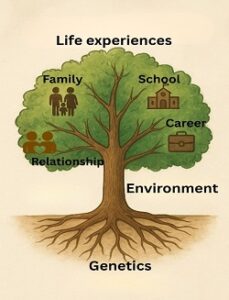
Genetic research shows that 20–60% of personality can be inherited, but environment and personal growth still play major roles.
The Flexibility of Personality:
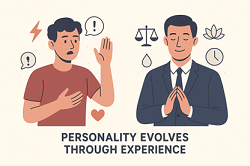
While some traits remain stable (like introversion or emotional temperament), others can change over time. People often become more conscientious, patient, and emotionally balanced as they age. Significant experiences—such as a new relationship or career challenge—can also modify how you think and behave.
Impact of Personality on Relationships:
Your personality deeply influences your romantic and social connections—how you communicate, resolve conflict, and express affection.
- Type A personalities often take leadership roles in relationships. Their drive can be inspiring, but their perfectionism may cause tension if they become controlling or impatient.
Handling Tip: Encourage open communication and remind them to slow down and enjoy shared experiences.

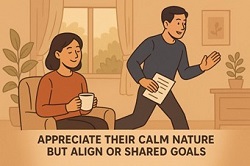
- Type B personalities bring calm and flexibility, making them great partners for high-stress individuals. However, their relaxed attitude can sometimes be misread as carelessness.
Handling Tip: Appreciate their easygoing nature but set shared goals to maintain balance.
- Type C personalities are loyal and dependable but may suppress emotions. This can lead to misunderstandings or unspoken resentment.
Handling Tip: Create a safe space for emotional expression and validate their feelings.

Type D personalities often crave security but may isolate themselves due to fear of rejection.
Handling Tip: Offer reassurance and consistency while encouraging them to build self-esteem and social confidence.

Big Five Traits in Relationships
High Openness: Leads to adventurous, stimulating partnerships but can clash with conservative partners.
High Conscientiousness: Fosters trust and reliability, though rigidity can cause friction.
High Extraversion: Brings passion and excitement, but introverted partners may feel overwhelmed.
High Agreeableness: Promotes empathy and harmony, but excessive agreeableness can lead to self-neglect.
High Neuroticism: Creates emotional intensity and sensitivity but may strain stability if not managed.
Alpha, Beta, Gamma, and Sigma Personalities in Relationships:
Beyond the traditional types, modern psychology and social behavior models describe four broad archetypes often discussed in personality and relationship dynamics: Alpha, Beta, Gamma, and Sigma.
Each has unique strengths and challenges when it comes to love, communication, and partnership.
Alpha Personality:
Core Traits: Confident, dominant, goal-driven, protective, and decisive.
Alphas naturally lead. They are passionate and assertive, often taking charge in relationships and life.
Impact on Relationships:
- Can provide emotional and financial stability.
- Inspire confidence and security in their partner.
- But may become controlling, impatient, or less emotionally expressive, leading to power struggles.
How to Handle an Alpha Partner:
- Be confident and assertive — they respect strength.
- Communicate directly; don’t play mind games.
- Set healthy boundaries early on.
- Appreciate their leadership but remind them that vulnerability is a strength, not a weakness.

In Love: Alphas love passionately and protect fiercely, but they need a partner who can match their energy and emotional maturity.

Beta Personality:
Core Traits: Kind, dependable, emotionally intelligent, cooperative, and loyal.
- Betas value harmony and understanding. They make excellent listeners and supportive partners.
Impact on Relationships:
- Build trust and emotional safety.
- Avoid unnecessary conflict and prefer peace.
- But may become overly accommodating or fear confrontation, which can cause imbalance.
How to Handle a Beta Partner:
- Encourage them to express their opinions openly.
- Don’t take their calmness for weakness.
- Provide reassurance and appreciation.
- Help them build confidence in making decisions.

In Love: Betas are nurturing and loyal partners, making them ideal for long-term, emotionally stable relationships as long as their gentleness isn’t mistaken for passivity.
Gamma Personality:
Core Traits: Ambitious, introspective, emotionally mature, and balanced between Alpha and Beta qualities.
- Gammas often combine Alpha’s confidence with Beta’s empathy. They value growth, emotional depth, and fairness in relationships.
Impact on Relationships:
- Brings both passion and stability.
- Emotionally intelligent — they understand both themselves and their partner.
- But may become frustrated if their emotional efforts aren’t reciprocated.
How to Handle a Gamma Partner:
- Appreciate their balance — they value fairness and respect.
- Engage in deep, meaningful conversations.
- Avoid manipulation or emotional games; they sense them easily.
- Support their personal growth and ambitions.

In Love: Gammas are equal partners — they seek a relationship where both people evolve, communicate, and support each other’s dreams.
Sigma Personality:
Core Traits: Independent, mysterious, self-reliant, introspective, and non-conforming.
- Sigmas don’t seek dominance like Alphas; they lead quietly and prefer autonomy. They are emotionally deep and introspective, often valuing quality over quantity in relationships.
Impact on Relationships:
- They provide emotional depth and intellectual stimulation.
- Need personal space and freedom.
- Can appear distant or detached if they feel controlled or misunderstood.
How to Handle a Sigma Partner:
- Respect their need for independence.
- Don’t force constant social interaction — they value solitude.
- Communicate with honesty and emotional depth.
- Avoid possessiveness or excessive control.

In Love: Sigmas are loyal and intense lovers but value authenticity and individuality. They connect deeply once trust is earned, preferring emotional closeness over superficial affection.
How to Handle Different Personalities in Relationships:
-
Understand, Don’t Judge:
Instead of labeling your partner’s behavior as “difficult,” recognize that it’s part of their personality pattern.

-
Communicate in Their Style:
Extraverts appreciate open discussions, while introverts prefer calm, private talks. Adapt your approach accordingly.

-
Balance Strengths and Weaknesses:
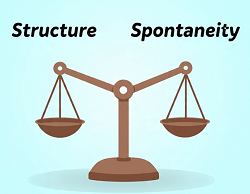
A structured, conscientious partner complements a spontaneous one. Embrace differences rather than trying to change each other.
-
Set Healthy Boundaries:
Agreeable individuals may avoid confrontation, while assertive types may dominate. Boundaries ensure mutual respect.

-
Encourage Growth:
Personalities aren’t fixed—emotional awareness, therapy, or mindfulness can help both partners evolve positively.

-
Learn Emotional Regulation:
Especially in relationships involving highly neurotic or dominant traits, emotional control builds long-term harmony.

Developing a Healthy Personality Balance:
No personality type is “good” or “bad.” Each has strengths that can enrich a relationship when understood and managed wisely. Growth begins with self-awareness—understanding your natural tendencies, triggers, and communication style.
Tips for Personal Growth:
- Practice mindfulness to manage emotional reactivity.
- Work on assertiveness if you tend to please others excessively.
- Be flexible if you’re overly rigid or perfectionistic.
- Develop emotional intelligence—it strengthens all relationship types.
- Seek feedback from loved ones to improve communication and empathy.

Final Thoughts:
Personality is the lens through which we experience and interpret the world. It influences our choices, behaviors, and relationships. Whether you’re an Alpha, Beta, Type A, Type B, or fall somewhere in between, understanding your personality helps you build healthier, more fulfilling connections.
In relationships, success doesn’t depend on having identical personalities—it depends on mutual understanding, respect, and adaptability. When you embrace differences instead of resisting them, you create space for deeper love, balance, and growth.
