
Challenges Encountered During Relationship Development (Perspective of Pakistani Society)
- January 31, 2026
- 0 Likes
- 1082 Views
- 0 Comments
-
Cultural & Traditional Expectations
- Family Involvement – In Pakistan, relationships (especially leading to marriage) are often family-oriented. Families may set conditions or influence decisions, which can limit personal choice.

- Arranged vs. Love Marriage Conflict – Couples often face resistance if they prefer love marriage over arranged marriage, especially if they belong to different castes, sects, or ethnic groups.

- Conservative Mindset – Open dating or expressing affection is socially discouraged in many areas, making early relationship development challenging.

-
Societal Pressure & Judgment
- Fear of Gossip (Loug Kya Kahenge) – Social stigma and fear of being judged can push couples to hide their relationship, affecting trust and openness.
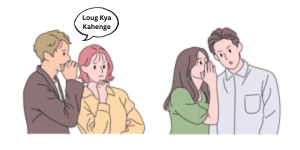
- Reputation Concerns – Families and individuals worry about “izzat” (honor), which can restrict free communication between partners.

- Inter-class Relationships – Relationships between people of different socio-economic backgrounds may face discrimination or disapproval.

-
Religious & Moral Boundaries
- Different Levels of Religious Practice – Partners may differ in how strictly they follow religious guidelines, causing value conflicts.

- Pre-marital Relationship Taboo – Islamically and socially, pre-marital intimacy is prohibited, creating a boundary for emotional and physical closeness before marriage.

-
Communication Barriers
- Indirect Communication Styles – Cultural norms may discourage direct discussions about emotions, expectations, or conflicts.
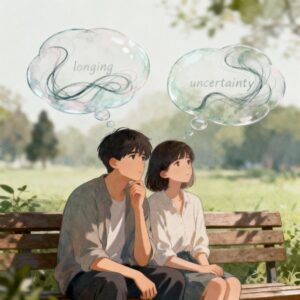
- Fear of Confrontation – Avoidance of sensitive topics like finances, career plans, or family interference can lead to misunderstandings.

-
Gender Role Expectations
- Patriarchal Norms – Men may feel pressured to be sole providers, and women may be expected to prioritize home over career, leading to mismatched expectations.

- Limited Autonomy for Women – In more conservative families, women may have restricted mobility or decision-making power.

-
Family Pressure & Influence
- Extended Family Involvement – In-laws often play a major role in decision-making, which can cause friction in the couple’s own bond.

- Marriage Timeline Pressure – Couples may be rushed into marriage before they feel emotionally or financially ready.

-
Economic Challenges
- High Marriage Costs – Dowry, wedding expenses, and lifestyle expectations can delay or strain relationships.

- Job Insecurity – Financial instability can create stress, especially for men due to cultural provider expectations.

-
Urban vs. Rural Divide
- Different Social Norms – Urban couples may have more freedom to interact, but rural couples often face stricter restrictions and surveillance.

- Migration Issues – If one partner lives abroad or in another city, long-distance challenges arise.

-
Psychological & Emotional Factors
- Trust Issues – Fear of betrayal due to stories of cheating or exploitation in relationships.

- Emotional Immaturity – Lack of relationship education leads to poor conflict management skills.

- Influence of Social Media – Unrealistic expectations from movies/dramas can affect satisfaction.

-
Legal & Structural Barriers
- Documentation & Legal Hurdles – For interfaith or cross-national marriages, legal processes can be complex.
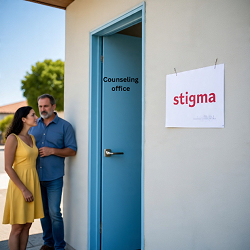
- Lack of Counseling Culture – Professional help for relationship issues is stigmatized and rarely sought.