
Sex: Biological, Emotional, Fantastical, and Different Spiritual Perspectives
- January 31, 2026
- 0 Likes
- 1086 Views
- 0 Comments
Sex is one of the most complex aspects of human life. It is not only a biological function but also an emotional bond, a field of fantasies, and a subject shaped by cultural and religious perspectives. To understand sex holistically, we must explore it from different dimensions—biological, psychological, emotional, spiritual, and sociocultural.
-
Understanding Sex:
Sex can be defined on multiple levels:
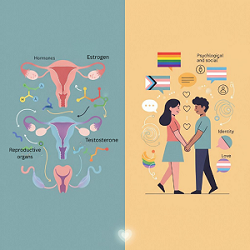
- Biological: At its core, sex is tied to reproduction and survival of the species. Hormones like testosterone and estrogen regulate sexual drive and behavior.
- Psychological: Beyond reproduction, sex influences self-identity, confidence, and emotional well-being.
- Social: Cultural norms, traditions, and laws govern how sex is perceived and practiced.
The distinction between sex (biological/physical act) and sexuality (a broader concept that includes orientation, preferences, and identity) highlights how deeply it impacts human life. While evolution views sex as a reproductive need, modern understanding includes pleasure, intimacy, and companionship.
-
Sex as a Physical Need vs. Emotional Connection:
Sex often raises the question: is it simply a physical urge or an emotional experience?
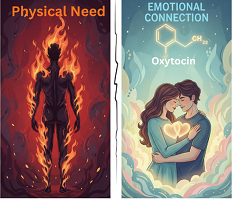
- Physical Need: Driven by hormones and the desire for physical release. It can exist independently of emotions, seen in casual encounters or purely physical relationships.
- Emotional Connection: Sex strengthens intimacy, love, and bonding between partners. The hormone oxytocin, often called the “love hormone,” plays a role in attachment.
- Independent or Intertwined? : Some people experience sex without emotions, while others cannot separate it from love. Both experiences are valid but have different psychological outcomes. Casual sex may fulfill short-term needs but sometimes leaves emotional emptiness, whereas emotionally connected sex often enhances trust and long-term satisfaction.
-
Fantasy and Ecstasy in Sex
Sexuality is not limited to physical interaction; imagination plays a central role.
- Fantasies: Mental images or scenarios that stimulate desire, often more about psychology than reality. They can enrich relationships or, if excessive, create unrealistic expectations.

- Ecstasy: A heightened state of pleasure, sometimes described as transcendence. It can be purely physical (orgasmic release) or spiritual (as in tantric practices).
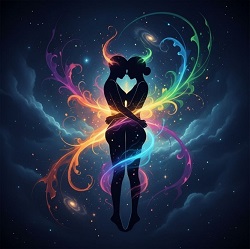
- Love vs. Lust vs. Fantasy: Lust is raw desire, love is deep attachment, and fantasy is imagination—each shaping the sexual experience differently.

Healthy fantasies can enhance intimacy, but they must be balanced to avoid dependence or disappointment.
-
Religious and Cultural Perspectives on Sex:
Sex is interpreted differently across faiths and cultures:
- Islam: Considers sex a natural and blessed act within marriage. It emphasizes modesty, mutual rights, and the balance between physical pleasure and spiritual duty.

- Christianity: Views sex as sacred when confined to marriage. Adultery and fornication are often condemned, though interpretations vary among denominations.

- Hinduism: Has dual views—texts like the Kama Sutra celebrate sex as an art and spiritual path, while other traditions emphasize restraint and morality.

- Buddhism: Focuses on desire as a source of suffering, encouraging celibacy for monks, but acknowledges laypeople’s sexual needs within moderation.

- Judaism: Regards sex within marriage as both a mitzvah (commandment) and a joy, balancing procreation with mutual pleasure.

- Cultural Views: Indigenous and secular societies may see sex as a communal, liberating, or private matter depending on their values.
-
Psychological and Sociological Dimensions:
Sex is shaped by both inner psychology and outer society:
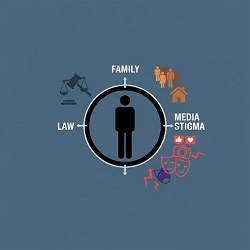
- Societal Influence: Norms and laws dictate what is acceptable or taboo, often shaping individual behavior.
- Emotional Intelligence: The ability to communicate openly, respect boundaries, and empathize with a partner leads to healthier sexual relationships.

- Taboos and Stigma: Many cultures restrict open conversations about sex, leading to misinformation and guilt.

- Media & Pornography: While they normalize certain behaviors, they also create unrealistic expectations that can distort relationships.

-
Ethical & Philosophical Questions:
The subject of sex often raises deep philosophical debates:
-
Is sex merely a biological urge like hunger, or is it elevated to a spiritual experience?
Yes, Sex begins as a biological urge, but when combined with love, trust, and meaning, it can elevate into a spiritual experience.
-
Can true ecstasy be achieved without emotional intimacy, or is bonding essential for fulfillment?
Physical pleasure is possible without intimacy, but deep, lasting ecstasy and fulfillment usually require emotional bonding.
-
How do religious restrictions and cultural taboos impact individual freedom and well-being?
They can provide structure, moral guidance, and protect social order, but when too rigid, they may suppress natural expression, cause guilt, or limit personal freedom.
Conclusion:
Sex cannot be reduced to a single definition. It is at once a physical need, an emotional connection, a realm of fantasies, and a deeply spiritual subject shaped by religion and culture. Understanding sex requires an open mind—acknowledging both its biological roots and its higher emotional and ethical dimensions.
